
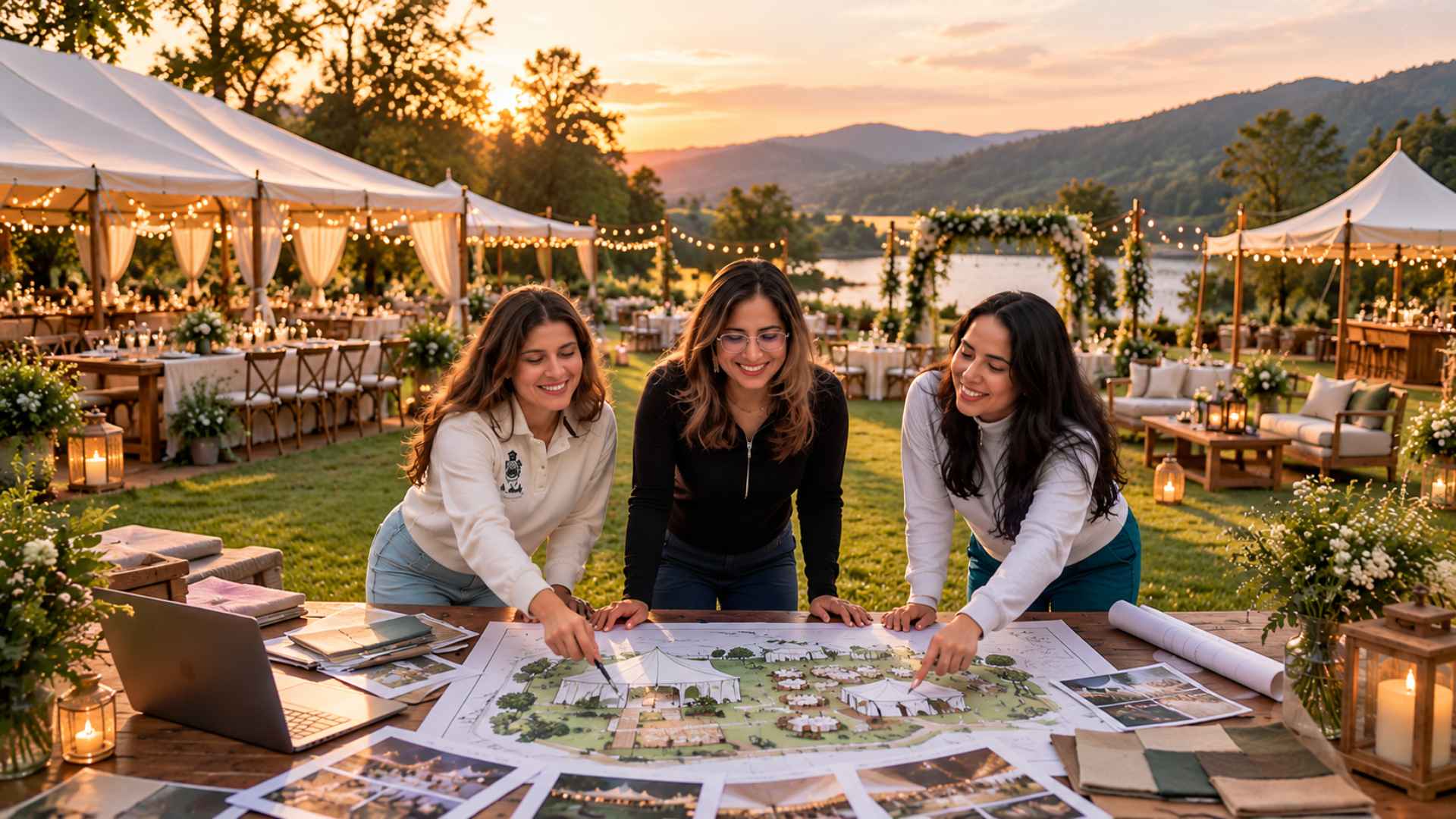
Outdoor events offer a unique opportunity to bring people together in an open, refreshing environment while creating memorable experiences. Whether it is a wedding reception, corporate gathering, private celebration, or community festival, the arrangement of the event space plays a significant role in determining its overall success. A well-planned tent layout can transform an ordinary outdoor location into an inviting venue that balances visual appeal, comfort, and functionality. By considering the relationship between the tent structure, available space, and event activities, organizers can create an atmosphere that feels both professional and welcoming.
The process of designing an effective outdoor venue begins with understanding how guests will interact with their surroundings. Every event has different requirements, from dining arrangements and entertainment areas to registration desks and relaxation zones. Choosing the right tent size and positioning each element carefully helps prevent congestion while ensuring that important features remain accessible. With thoughtful planning, the perfect tent layout can maximize the potential of any outdoor location, making it easier to accommodate guests, support event operations, and deliver a cohesive experience from arrival to departure.
Understanding the Importance of a Well-Planned Tent Layout
A successful tent layout does more than provide shelter from changing weather conditions. It establishes the foundation for the entire event by defining movement patterns, creating designated activity areas, and influencing how guests perceive the venue. When tables, chairs, stages, and service stations are arranged strategically, the space becomes easier to navigate and more comfortable to use. Proper planning also helps organizers identify potential obstacles before the event begins, reducing the likelihood of last-minute adjustments that can disrupt the schedule or affect the guest experience.
Another important consideration is the relationship between the layout and the event’s purpose. A formal dinner requires a different arrangement from a networking session, product launch, or outdoor exhibition. For example, banquet-style seating encourages conversation during meals, while an open configuration with standing tables may support more dynamic interactions. Understanding these differences allows planners to select an arrangement that complements the event’s objectives rather than forcing activities into an unsuitable space. By aligning the layout with the intended atmosphere, organizers can create a venue that feels natural, organized, and visually consistent.
Choosing the Right Tent Size and Structure for Your Event
Selecting an appropriate tent structure is an essential step in transforming an outdoor space into a functional venue. The ideal option depends on the number of attendees, the activities planned, the available ground area, and the equipment required inside. A compact gathering may benefit from a smaller canopy, while a large celebration could require a spacious frame tent or a modular structure that accommodates several activity zones. Planners should also account for additional space needed for walkways, catering operations, equipment storage, and emergency exits instead of calculating capacity based on seating alone.
The surrounding environment should also influence the choice of tent. Ground conditions, wind exposure, drainage, access routes, and nearby structures can affect where a tent can be installed safely and efficiently. Before finalizing the design, organizers should inspect the location and determine whether the selected structure is suitable for the site’s conditions. Working with an experienced tent provider can help clarify installation requirements, anchoring methods, and weather-related precautions. This preparation supports a more reliable setup while ensuring that the chosen structure complements both the landscape and the practical needs of the event.
Creating Functional Zones for a Better Guest Experience
Dividing the interior into clearly defined zones helps outdoor events feel organized without making the venue appear crowded or restrictive. Depending on the occasion, these zones may include dining areas, entertainment spaces, welcome desks, food stations, presentation areas, and quiet corners for conversation. Each section should have a clear purpose and enough room for guests and staff to move comfortably. Keeping related activities close together can also improve efficiency, such as positioning catering stations near service access points while separating them from the main entrance to reduce unnecessary congestion.
Improving Guest Movement With Smart Seating Arrangements
Seating arrangements directly influence how people move, communicate, and participate throughout an event. Round tables are often suitable for weddings and formal dinners because they encourage conversation, while rows of chairs can support presentations and ceremonies. For networking events, a combination of small seating groups and standing tables creates opportunities for both relaxed discussions and spontaneous introductions. Regardless of the chosen style, organizers should preserve accessible pathways between seating sections, entrances, exits, and essential facilities. Clear circulation routes reduce bottlenecks and help guests reach their destinations without interrupting ongoing activities.
Enhancing the Atmosphere With Lighting and Interior Design
The visual character of a tent can significantly influence the way guests experience an outdoor event. Thoughtful lighting, coordinated fabrics, decorative greenery, and carefully selected furniture can turn a simple temporary structure into an attractive setting. Warm lighting may create an intimate atmosphere for an evening celebration, while brighter illumination can improve visibility during business functions and exhibitions. Decorative elements should complement the event’s theme without overwhelming the available space. By maintaining a balance between aesthetics and practicality, planners can create an inviting environment that photographs beautifully while remaining comfortable and functional throughout the occasion.
Preparing the Tent Layout for Weather and Safety Requirements
Outdoor conditions can change quickly, making weather preparation and safety essential parts of effective tent planning. Organizers should consider the possibility of rain, strong winds, high temperatures, and uneven ground when determining the structure’s position and interior arrangement. Depending on the event, suitable flooring, ventilation, sidewalls, and designated equipment areas may improve comfort and help protect essential materials. Electrical installations and lighting equipment should also be selected and positioned appropriately for outdoor use. These measures should be planned before installation rather than added as rushed solutions when conditions become challenging.
Safety considerations should extend to every stage of the event, from setup to dismantling. Entrances and emergency exits must remain accessible, walkways should be free from loose cables and unnecessary obstacles, and furniture should not obstruct designated evacuation routes. Tent anchoring and structural installation should follow the manufacturer’s requirements and applicable local regulations, with qualified professionals involved when necessary. Organizers should also communicate relevant safety procedures to staff and vendors so everyone understands their responsibilities. Combining practical preparation with a carefully designed layout helps create a venue where guests can enjoy the occasion with greater confidence and comfort.
Bringing Your Outdoor Event Vision to Life With Strategic Planning
Transforming an outdoor location into a memorable venue requires more than selecting an attractive tent. It involves coordinating the structure, interior arrangement, guest circulation, lighting, and safety measures to support the event’s overall purpose. When these elements work together, even a challenging location can become a welcoming environment that makes efficient use of available space. Starting with a clear plan also allows organizers to identify priorities, establish realistic budgets, and communicate their expectations effectively to suppliers, decorators, and event staff.
Ultimately, the perfect tent layout is one that combines functionality, comfort, and visual appeal without compromising safety. Every decision, from choosing the tent dimensions to positioning the final seating arrangement, contributes to the atmosphere and efficiency of the event. By evaluating the venue carefully, anticipating guest needs, and adapting the design to the occasion, planners can create an outdoor experience that feels seamless and thoughtfully coordinated. A strategic approach to tent layout not only improves the practical use of the space but also helps turn an ordinary outdoor setting into a distinctive destination for meaningful gatherings and lasting memories.