
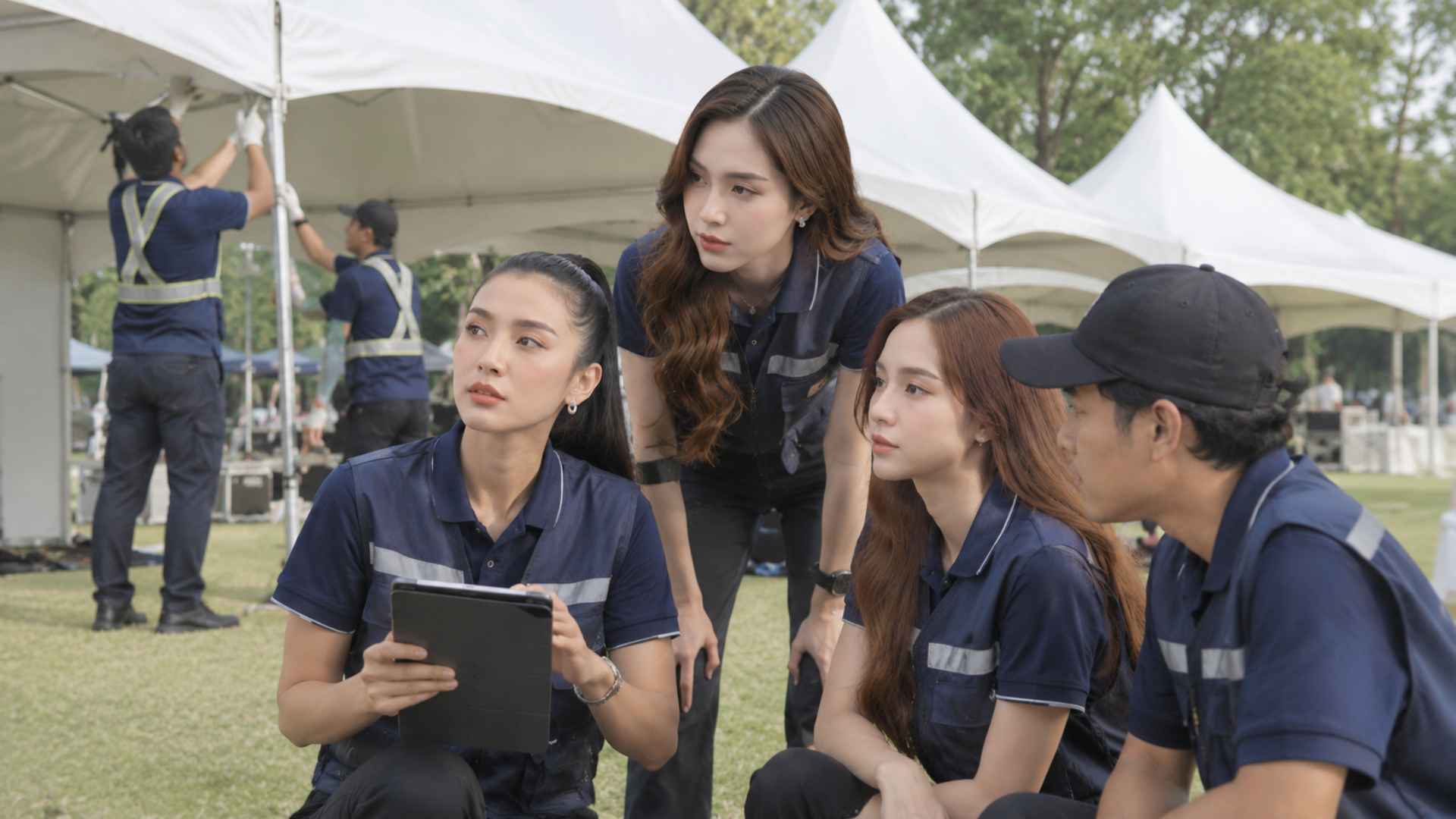
Outdoor events often involve expensive equipment that needs to perform well in different weather conditions. Sound systems, lighting fixtures, electrical cables, staging materials, and display equipment are regularly exposed to outdoor environments where moisture and dust can become serious problems. Even when the weather looks clear, changes in temperature, morning dew, and airborne particles can affect equipment over time.
Protecting outdoor event equipment from moisture and dust is important for maintaining performance, preventing unexpected damage, and reducing maintenance costs. Without proper preparation, small amounts of water or accumulated dirt can cause electrical issues, corrosion, and equipment failure. With suitable storage methods, protective covers, and regular maintenance, event organizers can keep their equipment in better condition and ensure everything is ready when the next event takes place.
Understanding How Moisture And Dust Affect Outdoor Event Equipment
Moisture is one of the most common environmental threats to outdoor event equipment. Rain, humidity, condensation, and damp ground can introduce water into sensitive components. For electrical equipment, water exposure may lead to short circuits, corrosion, damaged connections, or unreliable operation. Metal parts can also develop rust when they remain wet for extended periods. Even equipment that is not directly exposed to rain can collect moisture when warm air meets cooler surfaces, creating condensation inside storage cases or electronic housings.
Dust creates a different type of problem but can be equally damaging over time. Fine particles can enter ventilation openings, connectors, control panels, and moving components. When dust builds up inside electronic equipment, it can restrict airflow and reduce cooling efficiency. This may cause devices to operate at higher temperatures than intended. Dust can also affect switches, fans, and mechanical connections. For outdoor events held near roads, construction areas, open fields, or dry ground, airborne dust can accumulate much faster than expected.
Choosing Proper Covers And Protective Storage Solutions
Using suitable protective covers is one of the simplest ways to reduce exposure to moisture and dust. Equipment covers should be made from durable materials that can withstand outdoor conditions while providing adequate protection against rain and airborne particles. Waterproof covers are useful for temporary protection, especially when equipment is positioned outdoors between performances. However, waterproof does not always mean suitable for long term storage. Covers should allow moisture to escape when necessary because trapped humidity can encourage condensation and mold growth.
Storage containers also play an important role in protecting valuable event equipment. Hard cases with secure closures are useful for transporting microphones, lighting accessories, cables, and smaller electronic devices. For larger equipment, covered storage areas with good ventilation can help prevent unnecessary exposure to changing weather conditions. Before storing any equipment, make sure it is clean and completely dry. Adding moisture absorbing products, such as silica gel packets, can help manage humidity inside enclosed cases. These products should be checked and replaced according to their condition and manufacturer instructions.
Practical Maintenance And Protection During Outdoor Events
Equipment placement should be considered before an outdoor event begins. Whenever possible, keep electrical devices, extension connections, and control systems away from wet grass, puddles, and areas where rainwater may collect. Raised platforms or suitable protective enclosures can reduce direct contact with damp surfaces. Cable connections should use weather appropriate protection, and electrical equipment should have an ingress protection rating suitable for the conditions in which it will operate. Organizers should also follow manufacturer instructions and applicable electrical safety requirements instead of assuming ordinary equipment can handle outdoor exposure.
Regular cleaning is another important part of equipment maintenance. After an outdoor event, remove visible dust using a soft, dry cloth or an appropriate cleaning tool recommended by the manufacturer. Avoid spraying water or household cleaning products directly onto electronic components. Ventilation openings should remain clear so that cooling systems can work properly. If equipment becomes wet, disconnect the power when it is safe to do so and allow it to be inspected and dried properly before reuse. Electrical devices should never be switched on while moisture may still be present inside them.
A consistent inspection routine can help event teams identify problems before they become expensive repairs. Check power cables for damaged insulation, inspect connectors for corrosion, and look for signs of rust, mold, or moisture inside storage cases. Pay attention to unusual smells, loose connections, and equipment that becomes hotter than normal during operation. Keeping a simple maintenance record can also make it easier to track recurring issues and identify equipment that needs professional servicing. After each event, return all items to their designated storage locations rather than leaving them exposed overnight. These small habits help extend equipment lifespan and support reliable event preparation.