
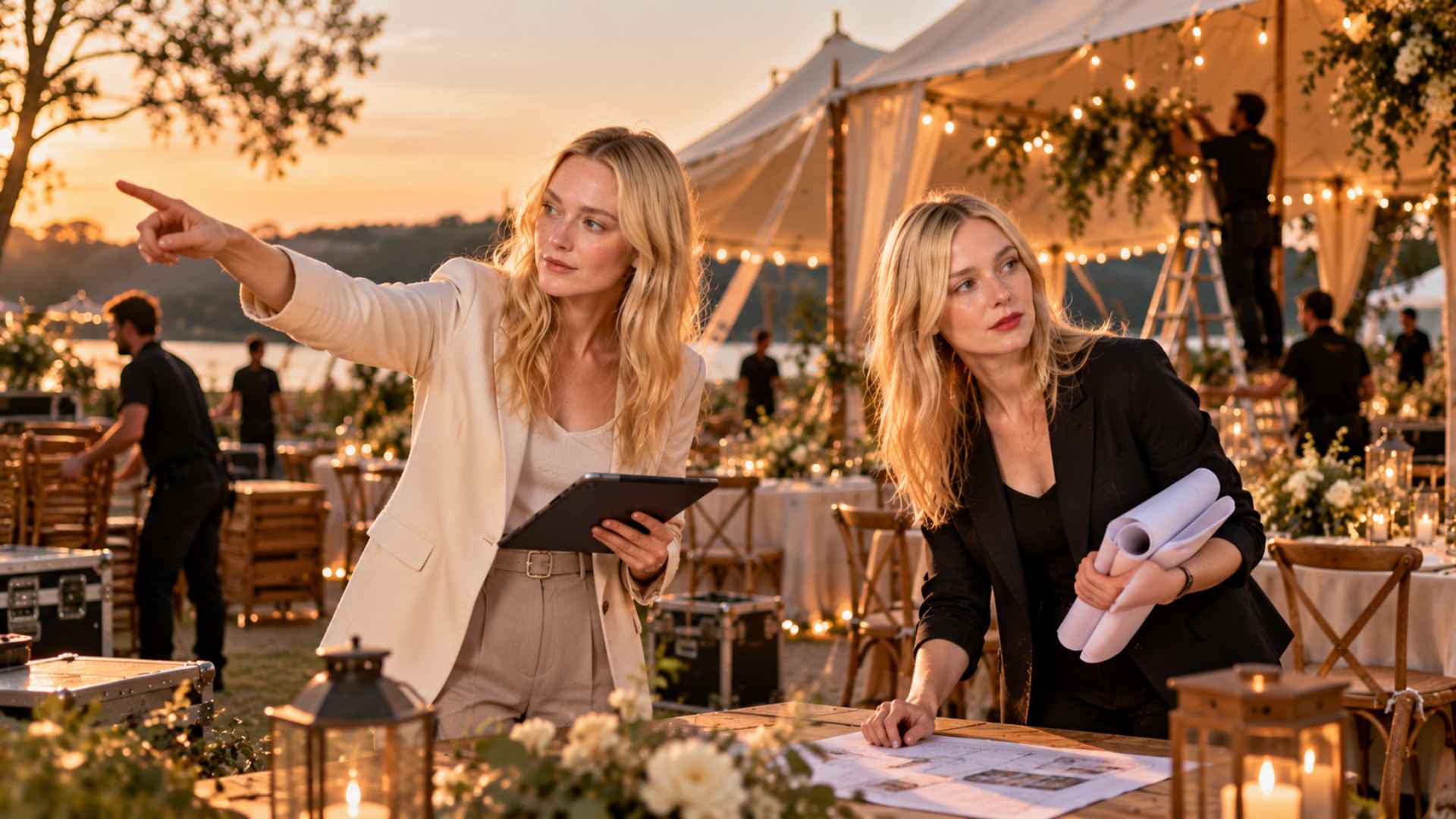
Outdoor celebrations offer a refreshing way to bring people together in beautiful natural surroundings. Whether the occasion is a wedding, birthday party, corporate gathering, or family reunion, an open-air setting creates a relaxed atmosphere that feels both memorable and inviting. However, transforming an outdoor space into a comfortable event venue requires thoughtful preparation, especially when it comes to shelter, seating, lighting, and guest movement. A well-planned tent setup helps organizers balance visual appeal with practical needs while ensuring that every detail supports the overall celebration. From choosing the right tent size to coordinating decorative elements, careful arrangements can make a significant difference in how guests experience the event.
Creating a seamless outdoor gathering begins with understanding the venue, the number of attendees, and the purpose of the occasion. The right layout should accommodate dining, entertainment, social interaction, and essential event services without making the space feel crowded. Weather conditions, ground surfaces, and access to electricity also deserve attention before the installation process begins. By combining functional planning with creative styling, hosts can create an inviting environment that adapts to different celebrations. Smart tent arrangements make it easier to maintain comfort, improve organization, and deliver a cohesive atmosphere that allows everyone to enjoy the occasion without unnecessary distractions.
Choosing The Right Tent Size And Layout For Outdoor Events
Selecting an appropriate tent is one of the most important decisions when organizing an outdoor celebration. The size should reflect the expected guest count, seating style, and activities planned throughout the event. A seated dinner generally requires more space per person than a standing reception because tables, chairs, serving stations, and walkways must fit comfortably within the structure. Organizers should also consider whether the tent will accommodate a dance floor, stage, buffet area, or lounge section. Measuring the available venue and creating a preliminary floor plan can prevent overcrowding and help ensure that every activity has a designated place. A balanced layout makes the environment feel spacious while allowing guests to move naturally between different areas.
Different tent styles can also influence the appearance and functionality of an outdoor venue. Frame tents are versatile options for locations where center poles might obstruct seating arrangements, while pole tents can create an elegant atmosphere with their distinctive peaks and sweeping fabric lines. Clear-span structures are particularly useful for larger gatherings that require open interiors and flexible layouts. Beyond appearance, organizers should evaluate ground conditions, installation requirements, and expected weather exposure before making a final decision. Working with an experienced rental provider can help identify a suitable structure that meets the event’s practical requirements. When the tent matches the venue and celebration style, the entire setup becomes easier to coordinate and more comfortable for guests.
Creating Comfortable Seating And Practical Guest Areas
Comfortable seating arrangements encourage guests to relax, socialize, and enjoy the celebration for longer periods. Tables should be positioned to provide sufficient personal space while maintaining clear pathways to entrances, restrooms, food stations, and entertainment areas. Round tables can encourage conversation among small groups, whereas long banquet tables may suit communal dining or rustic-themed celebrations. For events with mixed activities, combining traditional dining tables with lounge furniture can create a more flexible atmosphere. Organizers should also consider accessibility for guests with mobility needs, ensuring that routes remain wide, stable, and free from obstacles. Thoughtful seating plans help the tent feel organized without sacrificing the welcoming character of an outdoor gathering.
Enhancing Ambience With Lighting And Decorative Details
Lighting and decorations transform a functional tent into a visually appealing celebration space. Warm string lights, suspended lanterns, and carefully positioned LED fixtures can create a welcoming atmosphere after sunset while improving visibility around important areas. Floral arrangements, fabric draping, natural greenery, and coordinated table settings can reinforce the event theme without overwhelming the structure. The key is to distribute decorative elements strategically so that they complement the tent’s proportions and leave enough room for practical activities. Lighting should be suitable for both the overall environment and specific tasks, such as dining, speeches, or food preparation. By combining decorative consistency with sensible placement, hosts can create a memorable setting that feels elegant, comfortable, and cohesive throughout the event.
Improving Guest Flow With Thoughtful Entrance Placement
The entrance plays an important role in shaping the first impression of an outdoor celebration. Guests should be able to identify the main entry point easily and reach registration desks, welcome signs, or reception areas without crossing busy service routes. Positioning the entrance away from catering operations can reduce congestion, particularly during arrivals and meal service. For larger gatherings, separate access points for guests, staff, and suppliers may improve coordination when the venue permits this arrangement. Clear signage and unobstructed walkways can further simplify navigation. A carefully planned entrance allows guests to settle in comfortably while helping event staff maintain an orderly schedule from the beginning of the celebration.
Managing Weather Protection And Seasonal Comfort
Outdoor conditions can change quickly, making weather preparation an essential part of tent planning. Sidewalls, secure anchoring, suitable flooring, and properly designed drainage can help protect guests and equipment from rain or wind when used according to the structure’s specifications. During warmer months, open sides, ventilation systems, and strategically positioned fans may improve airflow, while colder conditions may require professionally installed heating solutions. Any heating equipment must be suitable for the tent environment and operated with appropriate clearances and ventilation. Organizers should also establish a backup plan for severe weather and follow local safety guidance regarding temporary structures. Preparing for changing conditions helps reduce disruptions and gives guests greater confidence in the event arrangements.
Coordinating Catering And Entertainment Within The Tent
Catering and entertainment should be integrated into the tent layout from the earliest planning stage. Buffet counters, beverage stations, and food service areas need convenient access for guests while remaining separate from major traffic routes. For formal dinners, coordinating table positions with the catering team’s service requirements can improve efficiency and reduce interruptions. Entertainment equipment, including speakers, stages, and dance floors, should be positioned according to the event schedule, available space, and expected noise levels. Electrical connections must be protected appropriately, and cables should never create trip hazards along guest pathways. When catering and entertainment work together with the overall floor plan, the celebration feels more coordinated, allowing guests to move easily between dining, conversation, and activities.
Planning Efficient Setup And Final Event Preparation
A successful outdoor celebration depends on more than attractive decorations and a well-chosen tent. An organized preparation schedule helps ensure that the structure, furniture, lighting, catering equipment, and decorative elements are installed in the correct order. Tent installation and anchoring should be handled by qualified professionals who understand the manufacturer’s requirements and local conditions. Organizers can then arrange tables, test lighting, inspect walkways, and confirm service areas before guests arrive. It is also helpful to assign clear responsibilities to vendors and event staff so that unexpected issues can be addressed quickly. Completing a walkthrough before the celebration provides an opportunity to identify missing supplies, uneven flooring, blocked exits, or other concerns that might affect the guest experience.
Smart tent arrangements ultimately combine practical planning with a clear creative vision. By choosing the right structure, organizing comfortable seating, enhancing the atmosphere with suitable lighting, and preparing for weather changes, hosts can create an outdoor venue that feels both polished and inviting. Every element should support the celebration’s purpose while allowing guests to move comfortably and participate without difficulty. Communication between organizers, rental providers, caterers, and entertainment teams is equally important for keeping the setup consistent from installation to completion. With careful attention to space, safety, and presentation, outdoor celebrations can become smooth, enjoyable experiences that leave guests with lasting memories. A thoughtfully arranged tent does more than provide shelter; it establishes the foundation for an event where comfort, style, and meaningful connections come together naturally.